
FROM THE BLOG
Protect Your Home from Summer Storms with These Roofing Tips
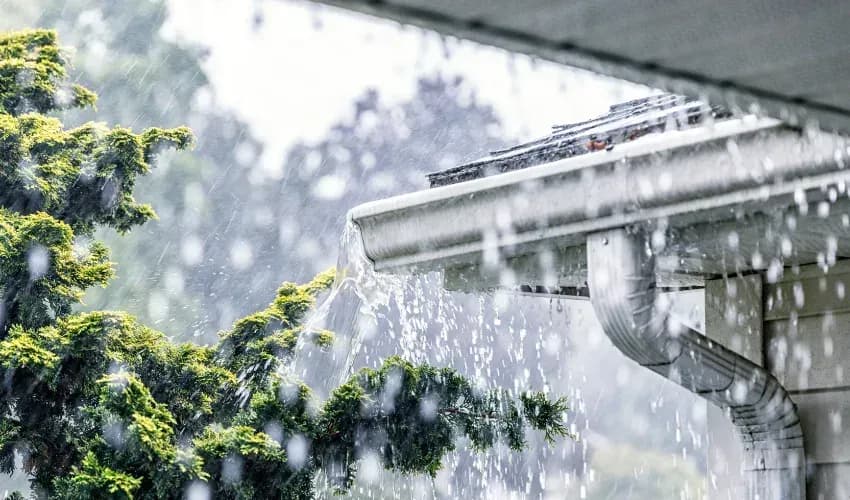
When summer rolls into Pennsylvania, it doesn’t just bring barbecues and bright skies—it also ushers in severe thunderstorms, hailstorms, and high winds that can wreak havoc on your roof. Whether you call Allentown home or reside in quaint Emmaus, your roof is the first line of defense against summer storms. A little preparation now can save you from costly repairs and significant headaches later.
In this comprehensive guide, we’ll cover everything you need to know to safeguard your home from storm damage roof issues. From practical maintenance tasks to professional upgrades, you’ll walk away with actionable summer roofing tips PA homeowners’ trust. Let’s dive in!
1. Understanding Summer Storm Risks in PA
Pennsylvania’s summer weather can be unpredictable. From late May through August, the Commonwealth averages 40 to 45 days of thunderstorms, many of which include hail, powerful downdrafts, and strong gusts over 40 mph. In Lehigh County specifically, localized microbursts can drop hailstones the size of quarters or rapidly strip leaves and branches from trees.
Free Post-Storm Inspection
Hail, Wind & Storm Damage - Your Insurance May Cover It*
Key Storm Elements to Watch:
- Wind Gusts: Can reach 50+ mph during severe storms, capable of tearing off shingles and loosening roof edges.
- Hail Impact: Even small hail (½”) can pit asphalt shingles, causing cracks or bruising under the granule layer.
- Heavy Rain & Flash Flooding: Saturates shingles and can exploit gaps in flashing or underlayment.
- Lightning Strikes: While rare, a strike can crack metal roof panels or compromise rooftop equipment like antennas.
Understanding these threats is the first step in defending your home. With this context, let’s explore how these factors lead to storm damage roof issues—and what you can do to minimize risk.
2. The Anatomy of Storm Damage Roof Problems
Storm damage on your roof typically manifests in several ways. By knowing what to look for, you can identify and address minor issues before they escalate.
2.1 Shingle Damage and Granule Loss
- Granule Loss: Hail and wind blast away the protective granules on asphalt shingles, exposing the asphalt layer beneath to UV degradation. Look for granule piles in gutters and downspouts.
- Cracks & Splits: Limb strikes or hail can cause visible cracks and splits, impairing water-shedding ability.
- Curling & Lifting: High winds creep under edges, lifting shingles and allowing water to seep underneath.
2.2 Flashing Failures
- Bent or Dislodged Flashing: Ice, debris, or mechanical impact can bend flashing around chimneys, skylights, or vents, creating entry points for water.
- Corrosion: Metal flashing exposed over many years corrodes, especially if protective cladding is compromised.
2.3 Underlayment and Deck Issues
- Permeation: Prolonged water exposure can de-laminate synthetic underlayment, reducing its water barrier capacity.
- Rotting Deck Boards: When water breaches underlayment, it settles on roof decking, leading to mold, rot, and structural weakness.
2.4 Gutter and Drainage System Strain
- Clogged Channels: Leaves and hail clog gutters, causing overflow onto fascia and soffit areas.
- Detached Hangers: The weight of debris and ice can pull down gutter hangers, compromising drainage flow.
With these common failure points in mind, it’s critical to act before and after storms. The next section outlines a proactive approach to roof protection.
3. Pre-Storm Checklist: Proactive Roof Protection
Proactivity is your best defense. Here’s your storm-season prep list tailored for Pennsylvania homeowners:
- Book a Professional Roof Inspection (“Roof Tune-Up”):
- Trim Overhanging Trees:
- Secure Rooftop Equipment:
- Clean and Reinforce Gutters:
- Caulk and Seal Vulnerable Penetrations:
- Upgrade to Impact-Resistant Shingles (If Due):
A thorough pre-storm check can reduce the chance of emergency repairs by over 70%. Ready for more hands-on maintenance? Read on.
4. Detailed Roofing Maintenance Tasks
If you’re comfortable on a ladder and want to tackle some tasks yourself, here’s a deep-dive guide.
4.1 Shingle Inspection and Minor Repairs
Tools Needed: Ladder stabilizer, work gloves, pry bar, roofing nails, asphalt sealant.
- Visual Shingle Scan:
- Replace Single Shingles:
4.2 Flashing Tightening & Resealing
Tools Needed: Caulk gun, metal snips, roofing sealant, roofing screws.
- Inspect Flashing Edges:
- Reseal Seams:
- Replace Corroded Flashing:
4.3 Gutter and Downspout Maintenance
Tools Needed: Trowel, garden hose, plumber’s snake (for downspouts), ladder.
- Debris Removal:
- Flush Channels:
- Snake Blocked Downspouts:
4.4 Attic & Ventilation Check
A well-ventilated, insulated attic ensures your underlayment stays dry and your shingles last longer.
- Inspect Insulation:
- Check Ventilation:
By handling these tasks seasonally—ideally in late spring—you’ll dramatically improve your home’s resistance to summer storms.
5. Advanced Roof Protection Solutions
For homeowners seeking extra peace of mind, consider these professional upgrades.
5.1 Impact-Resistant Shingles
- Class 4 Rating: Withstands hail up to 2″.
- Longer Lifespan: Often come with enhanced warranties.
- Insurance Savings: Many carriers offer lower premiums.
5.2 Synthetic Underlayment & Ice & Water Shield
- Synthetic Underlayment: More tear-resistant than traditional felt.
- Ice & Water Shield: Rubberized membrane along eaves, valleys, and roof penetrations to prevent water infiltration.
5.3 Enhanced Flashing & Metal Edge Systems
- Aluminum Drip Edge: Directs water off the roof edge and into gutters.
- Step Flashing: Wrapped individually around roof-to-wall transitions for superior sealing.
5.4 Protective Roof Coatings
- Elastomeric Coatings: Seal minor cracks and add UV protection.
- Reflective Roof Coatings: Reduce heat absorption and improve shingle longevity.
5.5 Lightning Protection Systems
- Air Terminals & Conductors: Safely direct lightning strikes away from roofing materials.
- Ground Rods: Dissipate electrical energy into the earth.
Investment in these solutions can stave off extreme storm damage roof events, especially for older homes or properties with high exposure.
6. Recognizing Post-Storm Warning Signs
Even with preparation, storms can inflict damage. Inspect your roof within 24–48 hours after a major event.
- Granule Accumulation: Check gutters for black granules—an early sign of shingle wear.
- Water Stains & Mold: Look inside your attic for dark spots or musty odors.
- Loose or Missing Shingles: From ground level, note any newly exposed areas.
- Bent or Detached Flashing: Shine a flashlight along chimney and vent bases.
- Gutter Damage: Dented gutters or sagging sections signal debris impact.
Document each issue thoroughly with photos and notes. Prompt repairs prevent minor leaks from becoming major structural problems.
7. Insurance Claims and Documentation
Navigating a roof insurance claim can be daunting. Here are best practices:
- Document Damage Immediately: Take wide-angle and close-up photos.
- Retain All Receipts: For temporary repairs (tarping, boarding, etc.).
- Detailed Roof Inspection Report: Provided by professionals like Lehigh Gap Exteriors, strengthens your case.
- Meet with Adjuster On-Site: Walk the roof together, pointing out documented problem areas.
- Secure Written Approval: Before any permanent repairs begin.
Remember: a well-documented claim expedites approval and ensures you receive full coverage for a legitimate storm damage roof claim.
8. Why Professional Roof Protection Matters
While DIY maintenance is invaluable, professional services bring expert eyes, industry-grade materials, and workmanship guarantees. Here’s why working with Lehigh Gap Exteriors makes sense:
- Comprehensive Inspections: We identify hidden issues—every nail, seam, and shingle.
- Industry-Standard Repairs: From step flashing to ice & water shields, installed precisely.
- Safety & Compliance: Fully insured crews follow OSHA standards and local building codes.
- Warranty & Follow-Up: We stand behind our work with material and labor warranties.
- Emergency Response: Storms don’t wait for business hours—neither do we.
Professional roof protection minimizes risk, maximizes longevity, and offers peace of mind that your home is in expert hands.
9. Summer Roofing Tips PA: Expert Q&A
Q: How often should I inspect my roof?
A: At least twice a year—spring and fall—and after any major storm.
Q: Can I install impact-resistant shingles myself?
A: Due to specialized fastening patterns and manufacturer requirements, professional installation is highly recommended to maintain warranties.
Q: Will adding a roof coating void my existing roof warranty?
A: Check with your manufacturer. Many allow elastomeric coatings if applied by certified contractors.
Q: My home is older—should I consider a complete roof replacement before storm season?
A: If your roof is over 15 years old or has multiple areas of damage, preemptive replacement can be cost-effective compared to repeated repairs.
Q: How can I reduce my homeowners’ insurance premium?
A: Installing Class 4 impact-resistant shingles and obtaining a professional roof certification can qualify you for discounts.
10. Final Thoughts and Next Steps
Summer storms in Pennsylvania are inevitable, but severe storm damage roof emergencies don’t have to be. By following these summer roofing tips PA, you can:
- Strengthen your roof’s defenses against wind, hail, and rain.
- Catch small issues before they escalate.
- Optimize your homeowner’s insurance coverage.
- Extend the lifespan of your roofing investment.
Ready to fortify your roof? Contact Lehigh Gap Exteriors today for a free, no-obligation inspection. Let our experts help you implement proactive measures, advanced protection solutions, and the peace of mind that comes from knowing your home is storm-ready. Stay safe, stay dry, and enjoy a carefree summer!
Contact Us
Mon-Thurs: 8am - 4pm
Fri: 8am - 3:30pm
Sat & Sun: Appointment Only